
Pesquisar
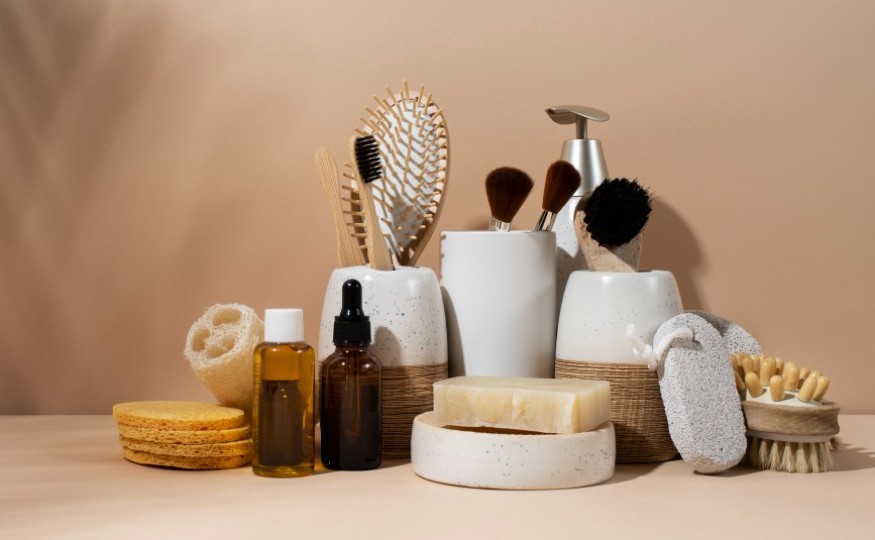
Brazil is one of the largest cosmetic markets in the world, offering significant opportunities for international manufacturers, brand owners, importers, and distributors. However, before placing cosmetic products on the Brazilian market, companies must comply with the regulations established by ANVISA (Brazilian Health Regulatory Agency).
This guide explains the cosmetic registration and notification process in Brazil, the required documentation, and the main regulatory requirements for foreign manufacturers.
Depending on the product classification, cosmetics in Brazil may require either:
The applicable pathway depends on the product's intended use, claims, composition, and risk classification according to Brazilian regulations.
To initiate the regulatory process before ANVISA, the following information and technical documentation are generally required:
The company must identify:
Specify the body area where the product will be used, such as:
Describe the intended purpose and benefits of the product.
Examples:
Examples include:
The following details are required:
Examples:
A detailed formula containing:
Examples of functions:
The manufacturer must provide microbiological quality specifications demonstrating product safety and compliance.
Clear directions for product application and consumer use.
The packaging artwork and labeling must comply with Brazilian cosmetic labeling regulations and include mandatory information in Portuguese.
Technical specifications typically include:
A stability study demonstrating that the product maintains its characteristics throughout its proposed shelf life.
Certain product claims may require additional scientific evidence.
ANVISA may require supporting studies when products make specific performance or safety claims.
Examples include products intended for:
Products specifically indicated for infants or children.
Products marketed for use during pregnancy or lactation.
Claims such as:
Products claiming:
Products claiming benefits for acne-prone or oily skin.
Products claiming prevention or reduction of stretch marks.
Products marketed to strengthen hair or improve scalp health.
Products claiming antibacterial, antimicrobial, or germ-reducing effects.
For small businesses, ANVISA government fees may start at approximately BRL 351.43, although official fees vary depending on the product category and company size.
Additional costs may include:
Yes.
Foreign manufacturers can market cosmetic products in Brazil through a Brazilian company duly authorized by ANVISA. The process generally involves:
RAGB Regulatory Affairs supports manufacturers, importers, distributors, and brand owners seeking to enter the Brazilian market.
Our services include:
With over 15 years of experience in Brazilian regulatory affairs, our team assists companies worldwide in achieving full compliance with ANVISA requirements and successfully launching products in Brazil.
Contact RAGB Regulatory Affairs to receive a customized regulatory assessment for your cosmetic products and learn the fastest path to market entry in Brazil.