
Pesquisar
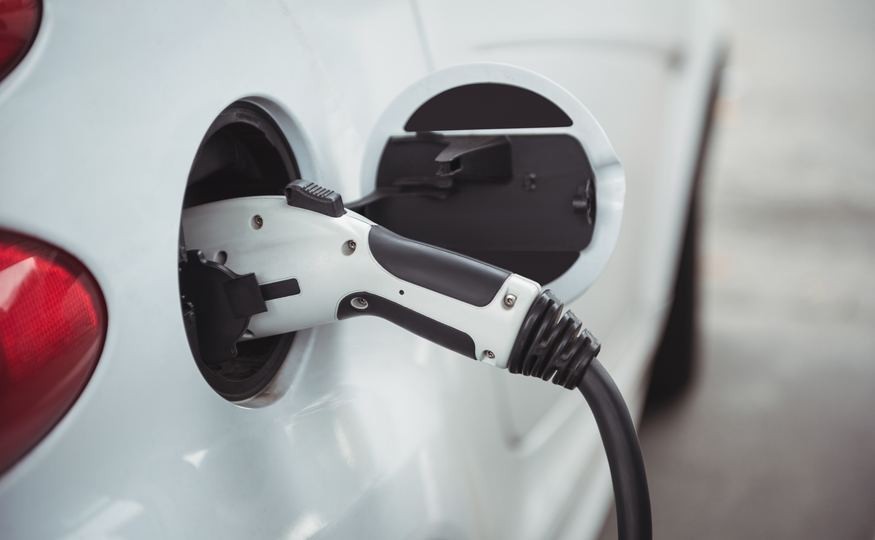
The rapid growth of electric mobility in Brazil is bringing increased attention to product safety, quality standards, and regulatory requirements for equipment used in this expanding market.
In response to this development, the Brazilian National Institute of Metrology, Quality and Technology (INMETRO) is conducting regulatory studies to assess the potential need for new technical requirements covering replacement batteries and electric vehicle charging systems.
The initiative aims to identify regulatory gaps, assess potential risks, and determine whether additional technical regulations may be necessary to ensure the safety and reliability of products available in the Brazilian market.
For international manufacturers planning to enter Brazil's electric mobility market, following these regulatory developments is essential to anticipate potential requirements and prepare an appropriate market entry strategy.
INMETRO's current regulatory studies focus on two main product categories:
The first area of study concerns replacement lithium-ion batteries used in electric bicycles and self-propelled personal mobility devices, including electric scooters and hoverboards.
The initiative reflects the significant expansion of this market in Brazil. According to figures cited by INMETRO, sales of electric bicycles, scooters, and similar devices reached 338,970 units in 2025, representing an increase of approximately 238% compared to 2023.
As the market expands, product safety, battery performance, and reliability are becoming increasingly important regulatory considerations.
The second area focuses on Electric Vehicle Supply Equipment (EVSE), known in Brazil as Sistemas de Abastecimento de Veículos Elétricos (SAVE).
The expansion of electric vehicle charging infrastructure is creating new challenges related to technical safety, system reliability, and the need for appropriate regulatory oversight.
INMETRO is therefore evaluating whether specific technical regulations may be necessary for these systems, considering the rapid development of electric mobility infrastructure across Brazil.
Not yet.
INMETRO is currently conducting Regulatory Impact Assessments (RIA), known in Brazil as Análise de Impacto Regulatório (AIR), to identify existing regulatory issues, evaluate possible solutions, and determine whether new technical regulations should be introduced.
These assessments are part of the regulatory development process and consider potential risks, costs, benefits, and impacts on the market.
According to INMETRO, the studies are expected to be completed by December 2026.
At this stage, manufacturers and importers should monitor the regulatory developments closely. It is important to distinguish between regulatory studies currently underway and technical requirements that have already been formally established.
A Regulatory Impact Assessment is a process used by regulatory authorities to evaluate whether a new regulation is necessary and to understand its potential consequences.
In the electric mobility sector, the objective is to identify safety risks, assess possible gaps in the existing regulatory framework, and determine which measures could improve product safety and consumer protection.
If the assessments demonstrate the need for additional regulation, INMETRO may proceed with the development of specific technical requirements for the products and systems under evaluation.
Such requirements could affect manufacturers, importers, distributors, and other companies involved in the supply chain of electric mobility products in Brazil.
Changes to Brazil's regulatory framework may introduce additional compliance steps for international manufacturers seeking to export electric vehicle batteries, charging equipment, and related components to the Brazilian market.
Depending on the product category and applicable regulations, companies may need to assess several aspects, including:
The applicable requirements depend on the product classification and the specific regulations in force. The ongoing regulatory studies should not be interpreted as confirmation that all these procedures are already mandatory for the product categories under review.
Early regulatory assessment can help international manufacturers reduce compliance risks, avoid unnecessary delays, and plan their entry into Brazil more effectively.
Foreign manufacturers seeking to commercialize regulated products in Brazil may need a local representative to fulfill applicable regulatory obligations.
RAGB (Regulatory Affairs & Global Business) provides INMETRO Local Legal Representation services for international manufacturers, acting as their appointed representative in Brazil under the applicable regulatory framework.
Our services include support in communications with Brazilian Product Certification Bodies (OCPs), certification process follow-up, and assistance with regulatory activities related to certificate maintenance, whenever applicable.
With extensive experience in Brazilian regulatory affairs, RAGB helps international companies establish their local regulatory structure and address the requirements involved in bringing products to the Brazilian market.
For manufacturers of batteries, electronic components, charging equipment, and other technologies related to electric mobility, understanding Brazil's regulatory landscape early can be an important competitive advantage.
Contact RAGB to learn more about our INMETRO Local Representation services and how we can support your company's regulatory compliance in Brazil.
INMETRO is evaluating the need for technical regulations covering lithium-ion replacement batteries used in electric bicycles and other micromobility devices. Any new requirements will depend on the results of the ongoing Regulatory Impact Assessments.
This possibility is being evaluated as part of the studies concerning Electric Vehicle Supply Equipment (EVSE). The ongoing initiative does not, by itself, establish a new mandatory certification requirement.
The need for local representation and the responsibilities involved depend on the product, applicable regulations, and conformity assessment model. Where Brazilian representation is required, RAGB can act as the foreign manufacturer's local legal representative.
Yes. RAGB provides local legal representation services for international manufacturers requiring regulatory support in Brazil, including communication with certification bodies and assistance with product certification-related obligations, as applicable.